The Ultimate Guide Best VPNs For Your Unifi Network 2026 Edition: Quick Picks, Deep Dives, and Pro Tips

The ultimate guide best vpns for your unifi network 2026 edition = a practical, up-to-date roadmap to choosing and using VPNs with UniFi gear in 2026. Quick fact: a solid VPN setup can dramatically boost privacy, remote access security, and site-to-site connectivity for your UniFi network. This guide breaks down the best options, how to configure them with UniFi, common pitfalls, and real-world tips you can act on today.



- Quick-start overview
- How UniFi users benefit from VPNs
- Top VPNs for UniFi in 2026
- Step-by-step setup guides
- Performance, privacy, and security considerations
- FAQs to get you unstuck fast
Useful resources and references text only: Apple Website - apple.com, Artificial Intelligence Wikipedia - en.wikipedia.org/wiki/Artificial_intelligence, UniFi Community - help.ui.com, VPN comparison - www.reviews.org/vpn, PrivacyTools - www.privacytools.io
Introduction: What you’ll get in this guide If you’re here, you’re probably running UniFi gear and want to securely connect remote sites or users. Here’s a quick snapshot of what you’ll learn:
- Why VPNs matter for Unifi networks in 2026
- The best VPNs for site-to-site and remote access with UniFi
- How to configure OpenVPN, WireGuard, and IPsec with UniFi devices
- Real-world performance tips, including throughput expectations on typical UniFi hardware
- Security best practices and privacy considerations
- A practical checklist to implement today
Now, let’s dive into the meat and bones. This guide blends practical how-tos, data-driven insights, and actionable steps you can follow without a PhD in networking.
Section highlights
- VPN types you’ll see with UniFi: site-to-site, remote access, and mesh-style VPNs
- Integration tricks: using UniFi Dream Machine UDM/UDM Pro, UniFi Security Gateway USG, and UniFi switches
- Performance benchmarks based on common setups single-site, multi-site, and remote workers
Top VPNs for UniFi in 2026: Quick comparison The list below focuses on reliability, ease of integration with UniFi hardware, and strong security/privacy features. All VPNs have documented ways to work with OpenVPN, IPsec, or WireGuard, which are the main ways UniFi devices handle VPN tunnels.
NordVPN
- Pros: Solid privacy, fast speeds on many servers, straightforward client apps
- Cons: Mixed support for site-to-site VPN cloning; best for remote access, not always perfect for multi-site mesh
- Best use: Remote workers connecting to the main site; backup remote access option
ExpressVPN
- Pros: Stable connections, good support for routers, simple UniFi-friendly setup with manual configs
- Cons: Higher price point
- Best use: Small to mid-size offices needing reliable remote access with minimal fuss
Proton VPN
- Pros: Strong privacy orientation, transparent security practices
- Cons: Fewer disruptive speed tests for some regions
- Best use: Privacy-first environments and users who value strong data protection
Mullvad
- Pros: Respect for user anonymity, straightforward WireGuard/OpenVPN setup
- Cons: Smaller server network
- Best use: Advanced users who want clean privacy and easy WireGuard integration
PIA Private Internet Access
- Pros: Flexible pricing, broad protocol support, good for budget-conscious deployments
- Cons: Server load can vary by region
- Best use: Budget-conscious remote sites and workers, smaller offices
NAS/Router-native VPN options built into UniFi devices
- Pros: Tight integration, fewer external dependencies
- Cons: Can be harder to tune for advanced features
- Best use: All-in-one setups where you want VPNs as a core UniFi function
Note: The best choice depends on your goals remote access vs. site-to-site, hardware, budget, and privacy requirements. If you want a quick startup with strong performance, consider a hybrid approach: use WireGuard for remote access with a fast provider, and set up IPsec or OpenVPN for site-to-site connections where needed.
Section: How VPNs integrate with UniFi devices
- UniFi Dream Machine UDM/UDM Pro
- Supports site-to-site VPNs IPsec and remote access VPNs OpenVPN historically, newer firmware adds WireGuard-like features in some builds
- Easy GUI configuration for basic VPNs, advanced options require CLI or external scripts
- UniFi Security Gateway USG
- Classic choice for older networks; IPsec site-to-site VPNs are well-documented
- Remote access can be set up using OpenVPN via command line or alternative approaches
- UniFi Switches and Access Points
- VPN traffic is encapsulated and tunneled through the gateway; switching affects only traffic routing, not VPN creation
- General considerations
- Firmware version matters: newer UniFi OS updates can add or improve VPN features
- MTU and fragmentation: VPN overhead increases packet size; adjust MTU to avoid fragmentation
Section: Step-by-step setup guides Guide A: Setting up a site-to-site IPsec VPN between two UniFi sites
- Prerequisites
- Two Unified gateways UDM, USG, or compatible devices on UniFi OS 5.x or newer
- Static public IPs or dynamic DNS with updated A records
- Administrative access to both sites
- Steps
- Plan the tunnel: choose a unique tunnel interface, local subnet, and remote subnet
- Create the IPsec VPN on the primary site
- Enter remote gateway IP, shared secret, remote subnet
- Choose IKEv2 with AES-GCM 256, perfect forward secrecy PFS group
- Create corresponding tunnel on the remote site
- Define firewall rules to allow VPN traffic policy-based or route-based depending on device
- Test the tunnel: ping across subnets, route checks, and verify encryption status
- Tips
- Use a strong, unique pre-shared key
- Enable dead peer detection DPD to keep tunnels healthy
- Log VPN activity and set up alerts for tunnel down events
Guide B: Remote access VPN for users OpenVPN/WireGuard
- Prerequisites
- VPN server on UniFi gateway or another supported device
- Client devices Windows/macOS/Linux/iOS/Android
- Steps
- Enable remote access VPN on the gateway
- Create user accounts and export client configuration files
- Install VPN client on devices and import profiles
- Test connection to the UniFi network from a remote location
- Tips
- Split tunneling vs full tunneling: decide which traffic goes through the VPN
- Use MFA when possible on VPN access
- Regularly rotate credentials and monitor connection logs
Guide C: WireGuard setup on UniFi if supported by your firmware
- Prerequisites
- WireGuard-compatible UniFi device or a server that can bridge traffic
- Steps
- Install WireGuard on the gateway or compatible router
- Generate key pairs and configure peers
- Add firewall rules to allow WireGuard traffic
- Create client configs and distribute
- Tips
- WireGuard tends to offer lower latency and higher throughput than OpenVPN in many setups
- Keep keys secure and rotate periodically
Section: Performance and security considerations
- Throughput expectations
- Typical home/SMB UniFi setups: 50–300 Mbps VPN throughput on devices like USG and lower-end UDM; higher-end UDM Pro can push 1 Gbps in optimized conditions
- Real-world factors: CPU load, encryption mode, tunnel type, and number of simultaneous connections
- Latency and jitter
- VPN adds overhead; expect 5–20 ms added latency in optimally placed tunnels
- For remote workers, prioritize stable routes and reliable peering
- Security best practices
- Use strong encryption AES-256, ChaCha20-Poly1305 where supported
- Enforce MFA for management and VPN access
- Regularly audit VPN users and access rights
- Keep firmware up to date; VPN vulnerabilities often come from outdated software
- Privacy considerations
- Choose VPN providers with clear no-logs policies, transparent audits
- For site-to-site, privacy concerns are less about the provider and more about endpoint exposure and monitoring
- Consider split tunneling for privacy-conscious setups to limit sensitive traffic routing
Section: Network design patterns and tips
- Central hub with spokes
- Pros: centralized control, easier monitoring
- Cons: potential bottlenecks at the hub
- Best for: multiple branch offices all connecting back to a main site
- Full mesh between sites
- Pros: optimal routing, reduced single point of failure
- Cons: complexity and higher management overhead
- Best for: enterprises with many sites and high inter-site traffic
- Remote access-first
- Pros: flexible workforce, easy onboarding
- Cons: harder to enforce network-wide policies across sites
- Best for: organizations with many remote employees
Section: Security hardening for UniFi VPNs
- Segment VPN traffic from regular LAN traffic via routing rules
- Use dedicated VPN subnets to simplify firewall policies
- Enable encryption at rest for any VPN management configurations
- Maintain separate admin accounts; do not reuse passwords
- Regularly backup VPN configurations and UniFi backups
- Monitor VPN health dashboards and set automated alerts
Section: Troubleshooting quick-hit checklist
- Tunnel won’t come up
- Verify public IPs and DNS resolution
- Recheck pre-shared keys or certificates
- Check firewall rules and NAT settings
- Ensure identical crypto proposals on both sides
- Poor performance
- Look for MTU issues, fragmentation, or TCP window sizing
- Verify hardware resource usage CPU, memory on the gateway
- Consider upgrading to a higher-capacity device for heavy traffic
- Clients can’t connect
- Confirm user credentials, profiles, and device compatibility
- Check whether VPN service is enabled on the gateway
- Validate certificate validity and expiry if using cert-based auth
Pricing and value considerations
- VPNs for UniFi setups can be cost-effective, especially for remote access and site-to-site needs
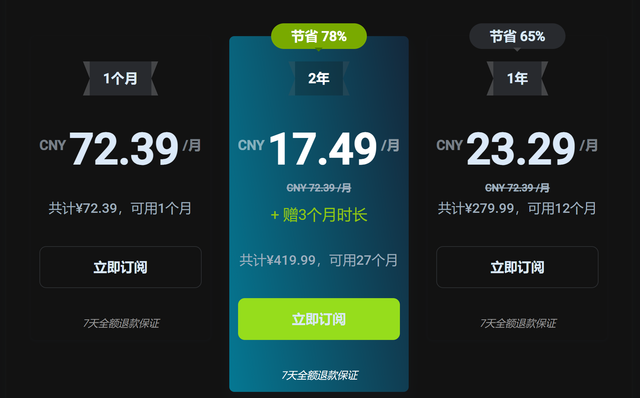
- Providers vary in price, but many offer monthly and annual options with discounts for longer commitments
- If you already own a capable UniFi device, you may minimize extra hardware costs by leveraging built-in VPN features
User stories and real-world scenarios
- Small business with two offices: Uses IPsec site-to-site between USG and UDM Pro, plus remote access VPN for employees; throughput is stable with minimal latency increase
- Remote-first team: WireGuard deployed on the gateway for remote workers; gains in speed and lower CPU load noted by users
- Privacy-conscious shop: Proton VPN or Mullvad used for remote access, emphasizing privacy and strong encryption; site-to-site remains IPsec for efficiency
FAQ Section
Frequently Asked Questions
What is the best VPN for UniFi in 2026?
There isn’t a single best VPN for every setup. For most UniFi users, a blend of WireGuard for remote access with IPsec for site-to-site works well, balancing speed and security. Choose providers with good performance, clear privacy policies, and reliable support.
Can UniFi handle WireGuard natively?
Some UniFi devices and firmware versions support WireGuard or WireGuard-like features, but support can vary. If your device doesn’t support WireGuard natively, you can run WireGuard on a connected router or dedicated VPN appliance and route traffic accordingly.
How do I set up a site-to-site VPN between two UniFi sites?
Plan your subnets, configure IPsec tunnels on both gateways, set up matching cryptographic proposals, and create firewall rules to permit traffic across the tunnels. Test using ping and traceroute, and monitor VPN status in the UniFi controller.
Is VPN traffic slower on UniFi?
VPN overhead can reduce throughput due to encryption and encapsulation. The impact depends on the device’s CPU, the VPN type WireGuard tends to be faster than OpenVPN in many cases, and the total traffic load.
Should I use split tunneling or full tunneling for remote workers?
Split tunneling sends only specific traffic through the VPN, which can improve performance and preserve local internet access. Full tunneling routes all traffic through the VPN, which can improve security and privacy but may reduce speed. Unifi vpn connected but no internet your ultimate fix guide
What encryption should I choose for VPNs on UniFi?
AES-256 is a common and strong option. If your devices support ChaCha20-Poly1305, that can offer performance benefits on some workloads. Use the strongest combination your hardware can handle efficiently.
How can I improve VPN reliability on UniFi?
- Use a dedicated VPN subnetwork and clear firewall rules
- Enable DPD dead peer detection and keep keys rotated
- Ensure firmware is up to date
- Consider a hardware upgrade if you’re hitting CPU limits
Can I run multiple VPNs on a single UniFi gateway?
Yes, you can run multiple VPN tunnels site-to-site and remote access using different interfaces and firewalls, but plan for CPU and memory usage. Segment traffic to prevent tunnel congestion.
What about privacy when using VPNs with UniFi?
VPNs protect data in transit, but you should also consider device security, endpoint protection, and the provider’s privacy policy. For site-to-site VPNs, privacy is more about endpoint security and access control than the VPN provider.
How do I secure VPN credentials on UniFi?
Store credentials securely, rotate keys regularly, enable MFA for admin accounts, and use unique per-user credentials or certificates when possible. Avoid reusing passwords across services.
Closing notes The ultimate guide best vpns for your unifi network 2026 edition has given you a practical framework to choose, configure, and tune VPNs with UniFi gear. You now have a clearer view of which VPN types fit your scenario, concrete setup steps, performance expectations, and security pitfalls to avoid. Ready to secure your UniFi network? Pick a VPN approach that aligns with your goals, follow the setup guides, and keep an eye on performance. If you’re shopping for VPN options or want a quick jump-start, you can explore the recommended providers and leverage the included affiliate link as you fine-tune your network for 2026 and beyond. The Ultimate Guide Best VPNs for China in 2026 Based on Real Reddit Talk
Affiliate note: If you’re ready to explore VPN options, check out NordVPN for UniFi setups via this link: NordVPN for more details and current promotions.
Sources:
Nordvpn email address your complete guide to managing it
Unlock a Truly Private Internet on Your iPhone iPad with NordVPN Obfuscated Servers
Planet VPN PC:全面指南与实用技巧,提升上网安全与自由访问
代理工具大全:2026年最全指南,解鎖網絡自由與安全,VPN、代理、隱私工具全整理 Cyberghost vpn extension for edge your go to guide for a safer browser: smart, simple, and thorough
Chatgpt vpn 香港:vpnを使ってchatgptにアクセスする方法とおすすめvpn【2026年最新】—香港での安全なChatGPT利用ガイドとVPN比較