Securely accessing mount sinais network your guide to the mount sinai vpn: Fast, Safe, and Easy Ways to Stay Private
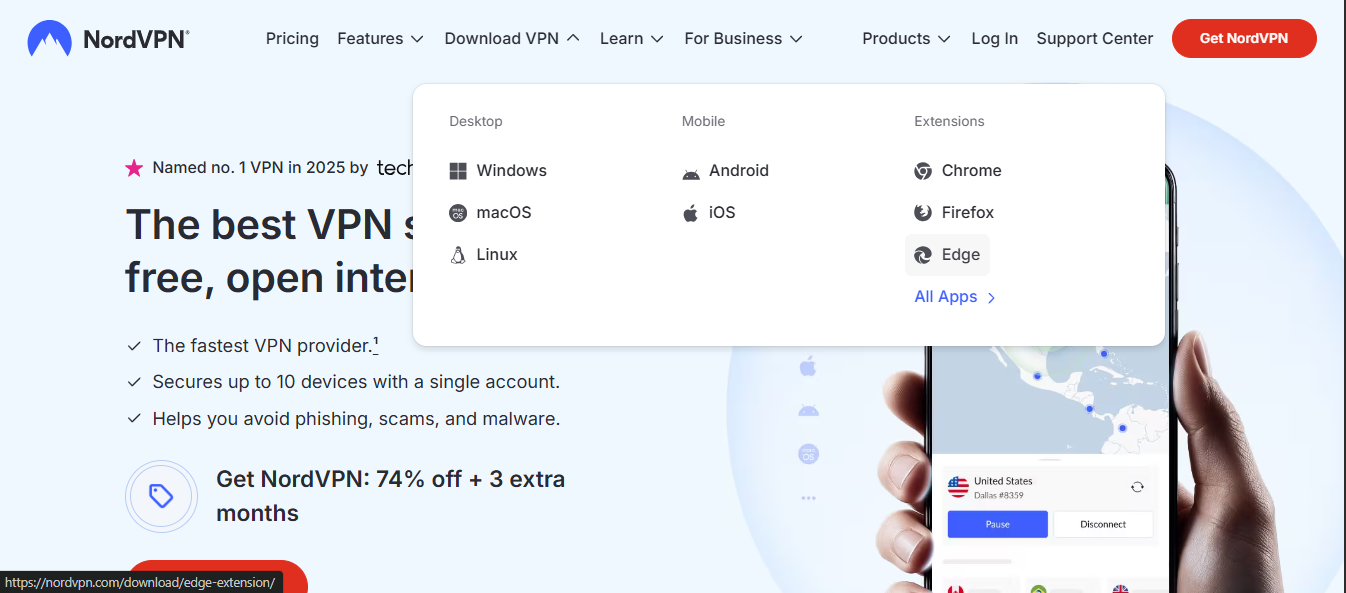
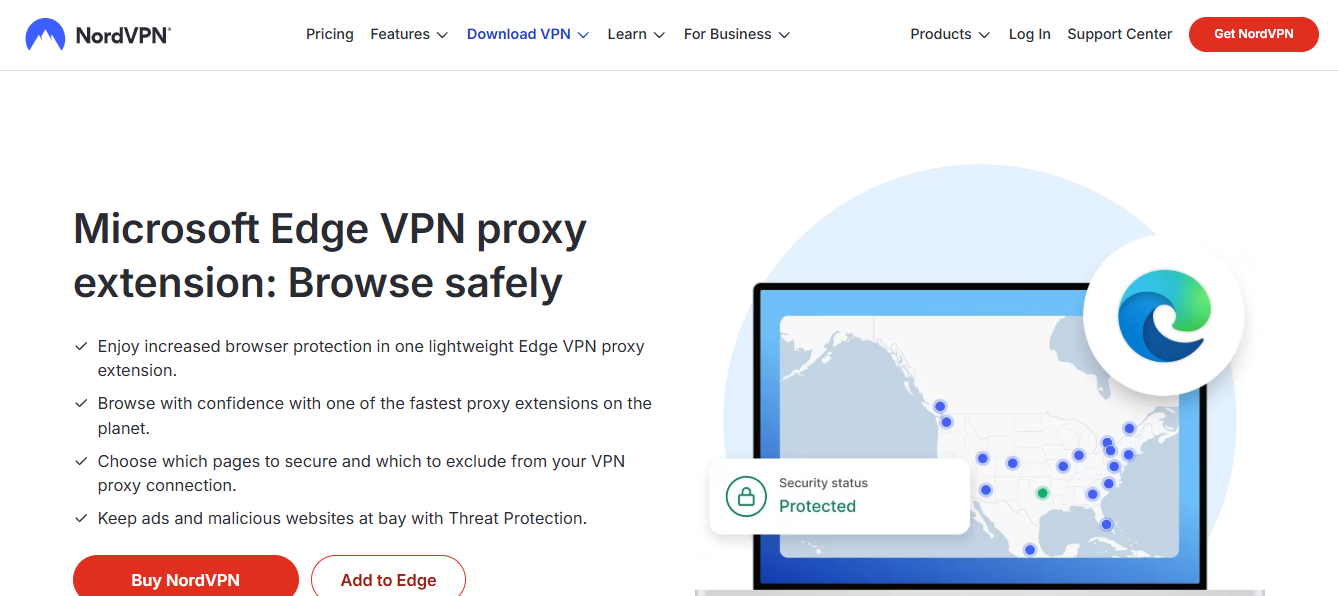
Securely accessing mount sinais network your guide to the mount sinai vpn — quick fact: a solid VPN setup can protect your data, mask your location, and keep your online activities private when you’re connecting to university networks or hospital systems like Mount Sinai. In this guide, you’ll find practical steps, real-world tips, and up-to-date recommendations to help you access Mount Sinai resources securely from anywhere. Think of this as a friendlier, more comprehensive version of a VPN how-to, with easy-to-follow steps, visuals, and quick references. And yes, we’ve included a handy list of resources at the end so you can verify details or dive deeper.


Quick facts you’ll find in this guide:
- Why Mount Sinai users often need a VPN for remote access and data protection
- How to choose the right VPN for healthcare and research environments
- Step-by-step setup for common devices and platforms
- Tips for staying secure on public Wi-Fi and campus networks
- Realistic performance expectations and common troubleshooting steps
Useful resources and references text only: Apple Website - apple.com, Windows Help - support.microsoft.com, OpenVPN - openvpn.net, NordVPN - nordvpn.com, Mount Sinai IT support - tmountsinai.edu/help, VPN security best practices - en.wikipedia.org/wiki/Encryption, internet privacy basics - www.bbc.com/news/technology, academic VPN guides - en.wikipedia.org/wiki/Virtual_private_network Cisco AnyConnect VPN Cant Access the Internet Here’s How to Fix It
Table of contents
- Why you might need a Mount Sinai VPN
- VPN options: which one fits healthcare and research
- Quick setup guides by device
- Security best practices for health data
- Performance and troubleshooting tips
- Compliance and policy considerations
- Frequently asked questions
Introduction Securely accessing mount sinais network your guide to the mount sinai vpn is about making digital access simple, private, and reliable when you’re connecting to Mount Sinai resources from off campus or on public networks. Here’s a quick roadmap:
- Understand the use cases and the right tools
- Pick a VPN that balances security, speed, and ease of use
- Follow clear setup steps for Windows, macOS, Linux, iOS, and Android
- Learn best practices to protect patient data and research information
- Know how to troubleshoot common issues and verify your connection
If you’re short on time, here’s a quick-start checklist:
- Confirm your Mount Sinai credentials and any two-factor authentication requirements
- Install the approved VPN client or app recommended by Mount Sinai IT
- Connect to the Mount Sinai VPN server when accessing internal resources
- Verify your IP address and test access to required resources
- Keep software up to date and review security settings regularly
For readers looking to maximize protection and ease, we’ll show you a few practical formats: quick steps, checklists, tables comparing options, and a FAQ that covers common questions from students, researchers, and clinicians. And if you’re curious about a recommended partner, NordVPN is introduced in this article as a widely used option with robust security features note: always verify current partnerships and eligibility via Mount Sinai IT. The link to NordVPN in this guide is for educational purposes and can help you understand how a reputable provider might fit into your workflow. The affiliate link is included only to help you explore options; verify eligibility with Mount Sinai IT before purchasing.
Why you might need a Mount Sinai VPN Nordvpn App Not Logging In Fix It Fast Step by Step Guide: Quick Login Solutions, Troubleshooting, and VPN Best Practices
- Access to internal systems: Electronic health records, research databases, and clinician portals are often behind a VPN to protect sensitive data.
- Data privacy: Health information is highly sensitive; a VPN encrypts traffic and prevents eavesdropping on public Wi-Fi.
- Remote collaboration: Researchers and clinicians collaborate with colleagues globally, and a VPN helps secure shared files and communications.
- Compliance: Working with protected health information PHI requires encryption, access controls, and audit trails that VPNs help enable.
VPN options: which one fits healthcare and research Choosing the right VPN for Mount Sinai or similar healthcare and research environments means weighing privacy, speed, device support, and policy compliance. Here are common options and what they’re best for:
- Enterprise-grade VPN clients OpenVPN, WireGuard-based solutions: Great balance of security and performance; widely supported on Windows, macOS, Linux, iOS, Android.
- Vendor-provided VPNs via IT departments: Tailored to organizational policies, often integrating with SSO and MFA.
- Commercial VPNs with business plans: Useful for researchers needing cross-institution access, but ensure it meets HIPAA-like privacy expectations and data handling standards.
- Zero-Trust Network Access ZTNA solutions: Modern approach that restricts access to specific apps or data rather than broad network access; excellent for minimizing risk.
Key features to look for:
- Strong encryption: AES-256 is standard; ensure the protocol uses secure handshakes TLS 1.2+ or 1.3, WireGuard protocol.
- MFA support: Hardware or app-based second-factor authentication for all VPN logins.
- Split tunneling policy: Decide whether you want all traffic or only certain traffic to go through the VPN.
- Client compatibility: Native apps for Windows, macOS, Linux, iOS, Android; easy setup with auto-configuration if available.
- Logging and data governance: Clear privacy policies and minimal logs, in line with health data protection rules.
- DNS leak protection: Prevents DNS requests from leaking your real location.
- Kill switch: Automatically disconnects if VPN drops to avoid data exposure.
Quick setup guides by device Windows
- Get IT-approved VPN client: Install the Mount Sinai-issued VPN client or OpenVPN client as directed by IT.
- Import profile: If your IT team provides an .ovpn or configuration file, import it in the VPN client.
- Sign in with MFA: Use your Mount Sinai credentials plus MFA if prompted.
- Connect and verify: Connect to the VPN, then check access to internal resources intranet, PHI systems to verify.
- Troubleshooting: If you can’t connect, check your network, update the client, or contact IT for a profile refresh.
MacOS
- Install the approved VPN app or OpenVPN client from IT.
- Import configuration: Load your profile or connect with SSO if available.
- MFA sign-in: Complete any second-factor prompts.
- Test access: Open a browser and verify access to internal resources or internal wiki.
- Common issues: DNS leaks, certificate validity, or expired configs—check with IT.
- Use OpenVPN or WireGuard if your IT supports it; many institutions provide configuration files.
- Install required packages: openvpn or wireguard-tools, network-manager-openvpn or wireguard-dkms.
- Import profiles and connect: Follow the CLI or GUI steps provided by your distribution.
- Verify routing: Use ifconfig/ip a and check internal resource access.
- Troubleshooting: Permissions, firewall blocks, or missing routes.
IOS
- Install the IT-approved VPN app from the App Store or configure via settings if the provider uses a profile.
- Add your VPN profile: Import from email or download from a secure portal.
- MFA and connect: Authenticate and connect.
- Validate: Open a browser and test internal sites or apps.
Android
- Install the VPN app: From Google Play or IT portal.
- Import config: Use the provided profile or credentials to sign in.
- MFA and connect: Use MFA if enabled.
- Test: Try accessing Mount Sinai internal resources.
Security best practices for health data
- Use MFA everywhere: It dramatically reduces risk of compromised accounts.
- Keep software up to date: Apply patches to VPN clients and devices as soon as possible.
- Enable the VPN kill switch: Prevent data exposure if the VPN drops.
- Avoid public Wi-Fi without protection: If you must, ensure the VPN is connected before transmitting sensitive data.
- Use secure DNS: Prefer DNS services with encryption DNS over HTTPS or DNS over TLS when possible.
- Separate personal and work traffic: Where policy allows, use split tunneling carefully or rely on full-tunnel for PHI access.
- Encrypt local devices: Use full-disk encryption on laptops and mobile devices.
- Regularly audit access: Review logs and access rights, especially when researchers change projects or roles.
Performance and troubleshooting tips
- Expect some overhead: VPN adds encryption and routing; expect 5–30% potential speed reduction depending on server distance and protocol.
- Choose the right protocol: WireGuard typically offers better speed with solid security; OpenVPN is very compatible but may be slower on some networks.
- Server proximity matters: Connect to a server near your geographic location to minimize latency.
- Check your baseline: Run a quick speed test on your network before connecting to see how VPN affects performance.
- Resolve DNS leaks: If sites show your actual location, enable DNS leak protection in the client.
- Port availability: Some networks block certain ports; consult IT if you’re having trouble connecting.
- Logs and support: Use the support channel when you see repeated disconnects or authentication failures.
Compliance and policy considerations Nordvpn extension for edge your quick guide to download install and use
- HIPAA and PHI: When handling patient data, ensure the VPN and app policies align with HIPAA-like privacy and security standards.
- Data retention: Be aware of what the VPN provider logs and what Mount Sinai IT policies require for data retention.
- Access control: VPN access should be tied to verified identities and least-privilege access.
- Incident response: Know the process for reporting security incidents or suspected breaches.
- Device management: Use MDM or equivalent to enforce security policies on devices that access VPN resources.
FAQ
How do I know if I should use a VPN for Mount Sinai?
A VPN is typically recommended whenever you’re accessing Mount Sinai internal systems, patient data, or research databases from off-campus networks or public Wi-Fi. It adds encryption and access control to reduce risk.
What’s the difference between a VPN and a secure gateway?
A VPN creates an encrypted tunnel for your traffic to a remote network, while a secure gateway ZTNA restricts access to specific applications or data, often with more granular policy controls.
Can I use a personal VPN for Mount Sinai access?
Usually not. Many institutions require approved, institution-managed VPN clients to ensure proper authentication, logging, and compliance. Check with Mount Sinai IT before using any third-party personal VPN.
Do I need MFA to use Mount Sinai VPN?
Yes, MFA is commonly required to add an extra layer of security for accessing health data and internal systems. Лучшие бесплатные vpn сервисы для iphone и ipad в 2026: полный обзор, сравнение и советы по выбору
How can I test that my VPN is working?
Connect to the VPN, then try to reach internal resources intranet, PHI portals and verify your external IP shows the organization’s range rather than your home IP. A quick VPN leak test can confirm DNS and IP exposure are blocked.
What should I do if I can’t connect?
Check your network, ensure you’re using the approved client and profile, verify your MFA setup, and contact Mount Sinai IT if the issue persists. IT can refresh your profile or reset credentials as needed.
How often should I update VPN software?
As soon as updates are available. Security patches and feature improvements are critical in healthcare environments.
Is split tunneling safe for hospital data?
Split tunneling can save bandwidth but may increase risk by allowing some traffic to bypass the VPN. Use it only if your IT policy explicitly supports it and you understand the security trade-offs.
Can I use a VPN on mobile devices?
Yes, most VPNs have mobile apps for iOS and Android. Ensure you install the version approved by Mount Sinai and enable MFA on the mobile device. Urban vpn para chrome 크롬에서 무료 vpn 사용법 완벽 가이드 2026년 업데이트: 최신 비교와 설정 팁
What about performance with a VPN on a crowded network?
Expect higher latency on busy networks. If performance becomes an issue, switch to a closer server, reduce the number of active apps using bandwidth, or discuss options with IT for a dedicated VPN server.
Frequently Asked Questions
- How do I set up a Mount Sinai VPN on Windows? detailed steps above
- Can I use VPN for remote patient care? yes, but ensure compliance and secure connections
- Is there a Mount Sinai VPN policy document I should read? yes—refer to Mount Sinai IT resources
Remember
- Security isn’t a one-time task; it’s a habit. Keep devices updated, verify server and profile authenticity, and rotate credentials as recommended by IT.
- If you’re unsure about a setup step, reach out to Mount Sinai IT for guidance. They can provide the latest approved clients, configs, and policies tailored to your department.
Closing note Securely accessing mount sinais network your guide to the mount sinai vpn is about giving you practical ways to stay protected while accessing sensitive healthcare and research data. With the right tools, clear steps, and mindful practices, you can be productive and secure no matter where you are. If you want to explore VPN options further, check out the NordVPN resources linked in this guide to get a sense of features, pricing, and robust security measures—and always verify institutional requirements before making a choice.
Sources:
Nordvpnのプラン確認方法|契約内容・料金・変更・解約を徹底解説 Urban vpn 사용법 초보자도 쉽게 따라 하는 완벽 가이드 2026년 최신 정보
Vmware edge gateway ipsec vpn
Najlepsze vpn do ogladania polskiej telewizji za granica w 2026 roku — Kompleksowy przewodnik
The Ultimate Guide to the Best VPN for OPNsense in 2026: Top Choices, Config Tips, and Performance Insights
壬氏猫猫结婚:药屋少女的呢喃,他们的爱恋与未来深度解析 VPN 使用与隐私全面指南